
Life is tranquil at the beautiful village of Oberstdorf until the arrival of gypsies to the village. Their reception is far from warm; only reluctantly does the mayor permit them to stay and only until their broken wagon wheel is repaired. However, the mayor’s sons, Hans und Michel are fascinated immediately by the exotic gypsy Saffy who knows pretty well how to use her gypsy charms.
Very soon both brothers will try to gain the favours of Saffy but the gypsy woman uses them only for her gypsy interests, mostly to take revenge for the bad treatment that her people have received from the village.
To make things worse, a theft occurs and the villagers accuse Saffy of the crime. Hans defends Saffy testifying that they were together when the theft occurred. This creates a scandal and causes the mayor throw Hans out but the boy then joins the gypsies and leaves the village.
“Wenn Die Abendglocken Läuten” is a late silent German film recently discovered, directed by Herr Hans Beck-Gaden in the silent year of 1930. It was filmed in the beautiful and idyllic landscapes of Oberstdorf and Kleinwalsertal, but underneath the bucolic appearance is an undercurrent of conservative and patriotic values, an implicit nationalism and the exaltation of the virtues of the “Heimat”; that is to say, the German strong feeling of identity, belonging, the homeland.
And that happens during the first scenes of the film when that exaltation of the values of the “Heimat”, the safety of home, is openly shown, and the oeuvre ends on the same note after our hero Hans, has returned to the village after being seduced by the wicked and foreign charms of the gypsy Saffy.
Although Hans und Michel shows some curiosity in Saffy who brings a bit of exoticism into their lives, it’s very clear that the villagers have no use for the gypsies and are quick to give in to their prejudices and expel the visitors. We have here a Teutonic population with rigid convictions and adhering to typical customs in accordance with the mountains landscape; healthy youngsters and conservative elders who are always dressed up properly in contrast to the chaotic and carefree gypsies.
On the other hand, the film is not openly racist but it is evident, although in a subtle way, that it comparing the two ways of life and cultures and saying that social conflict is inevitable given the rules and traditions of the gypsies.
During the late 20’s, the number of films that praised conservative values and precepts in combination with idyllic mountain settings, increased slightly, and of course it is not necessary to say that this all led to the extreme and ultra patriotic films of the 30’s. “Wenn Die Abendglocken Läuten”, is innocent by comparison and it would take the coming of sound to fully develop this German sub-genre.
“Wenn Die Abendglocken Läuten” is film that has many characteristics of the, alas , insubstantial films produced in Germany at the end of the silent era and is relatively harmless in its use of “Heimat” patriotic precepts and is in the German mountain films tradition. Because it is, thank Gott, a silent film the producers were not tempted to turn it into an “operetta”, sparing the audience hearing any of those typical Teutonic songs.
And now, if you'll allow me, I must temporarily take my leave because this German Count must explain to one of his Teutonic heiress the virtues of this Teutonic aristocrat.
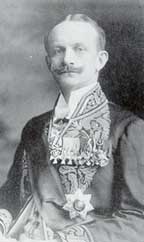
Herr Graf Ferdinand Von Galitzien
-/-
La vida resulta ser de lo más apacible en el bonito pueblo de Obersdorf, hasta que la llegada de un grupo de gitanos acaba con dicha calma; su llegada a la localidad no es bien vista por los lugareños y a regañadientes les permitirá el alcalde quedarse en el pueblo, pero sólo hasta que la rueda de su carromato finalmente sea reparada; mientras, los dos hijos del alcalde, Hans und Michel, quedarán fascinados inmediatamente por el exotismo de la gitana Sally, la cual sabe muy bien cómo emplear sus encantos cíngaros.
Muy pronto los dos hermanos se disputarán los favores de Saffy, pero la cíngara los usará para sus propósitos gitanos, sobretodo para vengarse por el mal trato que sus coetáneos han recibido por parte de todos los habitantes del pueblo.
Para empeorar las cosas, un robo acontece en el lugar y los vecinos acusan a Saffy como la única ladrona; Hans defiende a Saffy declarando que mientras el robo ocurría, éste estaba en su grata compañía, originando un escándalo mayúsculo y provocando que el alcalde eche de casa a Hans, optando el susodicho por unirse a los gitanos y abandonar el pueblo.
“Wenn Die Abendglocken Läuten”, filme tardío silente, recientemente descubierto y dirigido por Herr Hans Beck-Gaden en el año silente de 1930, fue rodado en los bellos e idílicos parajes de Obersdorf y Kleinwalsertal, pero tras esos bucólicos escenarios, subrepticiamente se incluyen en el filme ciertos valores patrióticos y conservadores o lo que es lo mismo, la exaltación de todas las virtudes del concepto germánico denominado “Heimat”, esto es, el peculiar y fuerte sentimiento alemán de identidad, de pertenencia al terruño.
Y dichas proclamas se incluyen ya desde el mismo inicio del filme, cuando la exaltación de esos valores del “Heimat”, la seguridad que da la patria, se muestran abiertamente, finalizando además la obra con el mismo discurso cuando nuestro protagonista, Hans, vuelve a su pueblo tras haber sido seducido por los malvados y foráneos encantos de Saffy la gitana.
Aunque tanto Hans como Michel muestran cierta curiosidad hacia Saffy al traerles un poco de exotismo en sus conservadoras vidas, está muy claro desde el principio que los lugareños no sienten ninguna simpatía hacia los gitanos, apareciendo rápidamente los prejuicios hasta que consiguen expulsar a dichos visitantes del pueblo.
Tenemos por lo tanto, a una población teutona de rígidos principios y de enraizadas costumbres autóctonas, todo ello acorde con el entorno, esto es, sanos jovenzuelos y conservadores mayores vestidos de gala a diario, en contraste con los caóticos y despreocupados gitanos.
Por otra parte, el filme no es abiertamente racista, aunque es evidente, de forma solapada, que la inevitable comparación entre tan diferentes formas de vida y culturas, derivarán en el filme en un inevitable conflicto social, sobretodo por las tradiciones y conductas de los gitanos.
A finales de los años 20, el número de filmes germanos que se hacían eco de ciertos preceptos y valores conservadores, usando como trasfondo escenarios idílicos y agrestes, fue en aumento, estando de más puntualizar qué clase de obras llevaron al extremo ciertas proclamas ultra patrióticas durante los años 30… resultando ser, en comparación, “Wenn Die Abendglocken Läuten” un filme bastante inocente, hasta que la aparición del cine sonoro desarrolló completamente ése subgénero cinematográfico germánico.
“Wenn Die Abendglocken Läuten” es un filme poseedor de bastantes características, lamentablemente…, de muchos filmes insubstanciales producidos en Germania a finales de la era silente, a saber… se trata de una obra más bien inofensiva en el uso de los patrióticos preceptos del “Heimat”, es también además uno de esos filmes de montañas germánicas y gracias a Gott, al ser una obra silente, los productores del filme no estuvieron tentados en hacer del filme una “opereta”, evitándole al público oír alguna de esas típicas canciones teutonas.
Y ahora si me lo permiten, les tengo que dejar momentáneamente, pues este conde germánico tiene que explicarle a una de sus herederas teutónicas las virtudes que posee éste aristócrata teutón.
Herr Graf Ferdinand Von Galitzien
Very soon both brothers will try to gain the favours of Saffy but the gypsy woman uses them only for her gypsy interests, mostly to take revenge for the bad treatment that her people have received from the village.
To make things worse, a theft occurs and the villagers accuse Saffy of the crime. Hans defends Saffy testifying that they were together when the theft occurred. This creates a scandal and causes the mayor throw Hans out but the boy then joins the gypsies and leaves the village.
“Wenn Die Abendglocken Läuten” is a late silent German film recently discovered, directed by Herr Hans Beck-Gaden in the silent year of 1930. It was filmed in the beautiful and idyllic landscapes of Oberstdorf and Kleinwalsertal, but underneath the bucolic appearance is an undercurrent of conservative and patriotic values, an implicit nationalism and the exaltation of the virtues of the “Heimat”; that is to say, the German strong feeling of identity, belonging, the homeland.
And that happens during the first scenes of the film when that exaltation of the values of the “Heimat”, the safety of home, is openly shown, and the oeuvre ends on the same note after our hero Hans, has returned to the village after being seduced by the wicked and foreign charms of the gypsy Saffy.
Although Hans und Michel shows some curiosity in Saffy who brings a bit of exoticism into their lives, it’s very clear that the villagers have no use for the gypsies and are quick to give in to their prejudices and expel the visitors. We have here a Teutonic population with rigid convictions and adhering to typical customs in accordance with the mountains landscape; healthy youngsters and conservative elders who are always dressed up properly in contrast to the chaotic and carefree gypsies.
On the other hand, the film is not openly racist but it is evident, although in a subtle way, that it comparing the two ways of life and cultures and saying that social conflict is inevitable given the rules and traditions of the gypsies.
During the late 20’s, the number of films that praised conservative values and precepts in combination with idyllic mountain settings, increased slightly, and of course it is not necessary to say that this all led to the extreme and ultra patriotic films of the 30’s. “Wenn Die Abendglocken Läuten”, is innocent by comparison and it would take the coming of sound to fully develop this German sub-genre.
“Wenn Die Abendglocken Läuten” is film that has many characteristics of the, alas , insubstantial films produced in Germany at the end of the silent era and is relatively harmless in its use of “Heimat” patriotic precepts and is in the German mountain films tradition. Because it is, thank Gott, a silent film the producers were not tempted to turn it into an “operetta”, sparing the audience hearing any of those typical Teutonic songs.
And now, if you'll allow me, I must temporarily take my leave because this German Count must explain to one of his Teutonic heiress the virtues of this Teutonic aristocrat.
Herr Graf Ferdinand Von Galitzien
-/-
La vida resulta ser de lo más apacible en el bonito pueblo de Obersdorf, hasta que la llegada de un grupo de gitanos acaba con dicha calma; su llegada a la localidad no es bien vista por los lugareños y a regañadientes les permitirá el alcalde quedarse en el pueblo, pero sólo hasta que la rueda de su carromato finalmente sea reparada; mientras, los dos hijos del alcalde, Hans und Michel, quedarán fascinados inmediatamente por el exotismo de la gitana Sally, la cual sabe muy bien cómo emplear sus encantos cíngaros.
Muy pronto los dos hermanos se disputarán los favores de Saffy, pero la cíngara los usará para sus propósitos gitanos, sobretodo para vengarse por el mal trato que sus coetáneos han recibido por parte de todos los habitantes del pueblo.
Para empeorar las cosas, un robo acontece en el lugar y los vecinos acusan a Saffy como la única ladrona; Hans defiende a Saffy declarando que mientras el robo ocurría, éste estaba en su grata compañía, originando un escándalo mayúsculo y provocando que el alcalde eche de casa a Hans, optando el susodicho por unirse a los gitanos y abandonar el pueblo.
“Wenn Die Abendglocken Läuten”, filme tardío silente, recientemente descubierto y dirigido por Herr Hans Beck-Gaden en el año silente de 1930, fue rodado en los bellos e idílicos parajes de Obersdorf y Kleinwalsertal, pero tras esos bucólicos escenarios, subrepticiamente se incluyen en el filme ciertos valores patrióticos y conservadores o lo que es lo mismo, la exaltación de todas las virtudes del concepto germánico denominado “Heimat”, esto es, el peculiar y fuerte sentimiento alemán de identidad, de pertenencia al terruño.
Y dichas proclamas se incluyen ya desde el mismo inicio del filme, cuando la exaltación de esos valores del “Heimat”, la seguridad que da la patria, se muestran abiertamente, finalizando además la obra con el mismo discurso cuando nuestro protagonista, Hans, vuelve a su pueblo tras haber sido seducido por los malvados y foráneos encantos de Saffy la gitana.
Aunque tanto Hans como Michel muestran cierta curiosidad hacia Saffy al traerles un poco de exotismo en sus conservadoras vidas, está muy claro desde el principio que los lugareños no sienten ninguna simpatía hacia los gitanos, apareciendo rápidamente los prejuicios hasta que consiguen expulsar a dichos visitantes del pueblo.
Tenemos por lo tanto, a una población teutona de rígidos principios y de enraizadas costumbres autóctonas, todo ello acorde con el entorno, esto es, sanos jovenzuelos y conservadores mayores vestidos de gala a diario, en contraste con los caóticos y despreocupados gitanos.
Por otra parte, el filme no es abiertamente racista, aunque es evidente, de forma solapada, que la inevitable comparación entre tan diferentes formas de vida y culturas, derivarán en el filme en un inevitable conflicto social, sobretodo por las tradiciones y conductas de los gitanos.
A finales de los años 20, el número de filmes germanos que se hacían eco de ciertos preceptos y valores conservadores, usando como trasfondo escenarios idílicos y agrestes, fue en aumento, estando de más puntualizar qué clase de obras llevaron al extremo ciertas proclamas ultra patrióticas durante los años 30… resultando ser, en comparación, “Wenn Die Abendglocken Läuten” un filme bastante inocente, hasta que la aparición del cine sonoro desarrolló completamente ése subgénero cinematográfico germánico.
“Wenn Die Abendglocken Läuten” es un filme poseedor de bastantes características, lamentablemente…, de muchos filmes insubstanciales producidos en Germania a finales de la era silente, a saber… se trata de una obra más bien inofensiva en el uso de los patrióticos preceptos del “Heimat”, es también además uno de esos filmes de montañas germánicas y gracias a Gott, al ser una obra silente, los productores del filme no estuvieron tentados en hacer del filme una “opereta”, evitándole al público oír alguna de esas típicas canciones teutonas.
Y ahora si me lo permiten, les tengo que dejar momentáneamente, pues este conde germánico tiene que explicarle a una de sus herederas teutónicas las virtudes que posee éste aristócrata teutón.
Herr Graf Ferdinand Von Galitzien

