Posts mit dem Label Dreyer C. T. werden angezeigt. Alle Posts anzeigen

Samstag, Juni 11, 2011

"Blade Af Satans Bog" (1921) By Carl Theodor Dreyer


“Blade Af Satans Bog” ( Leaves Out Of The Book Of Satan ) (1921) was Herr Dreyer’s most ambitious early silent film, a big “Nordisk” film production that depicts a challenge between Satan and God spanning 2000 years; fortunately the Danish Film Institute has shortened such a huge lapse of time to 157 minutes in a recent and beautiful film restoration for the pleasure of silent film fans around the world.

This age old conflict is represented by four episodes: the betrayal of Herr Jesus by Herr Judas, the Spanish Inquisition, the French Revolution and the Finnish civil war in 1918. In “Blade AF Satans Bog” there are echoes of Griffith and certainly “Intolerance” (1916) was a big influence on Dreyer in terms of his film’s construction and narrative not to mention the moral treatise. However Dreyer, unlike Griffith, is more interested in ethics than spectacle. Blade Af Satans Bog” is basically a moral story in the shape of a big film production, in which evil deeds and human weaknesses became a metaphor and eternal parable.

The moral treatise mentioned by this Herr Graf is probably the most interesting aspect of the picture as the Danish director carefully develops the struggle between evil and good: Satan disguised as a Pharisee, a Grand Inquisitor, a Jacobin leader and a Bolshevik monk, must tempt his victims by appealing to their inner human weaknesses. In the background to this fight is religion, betrayal, ambition and power. The fallen angel knows how to persuade men towards his evil ends but is aware that there is no real comfort finally in his cruel doings. It is this aspect of the story that really counts for Herr Dreyer and he takes splendid advantage of the many technical resources at his disposal for this big budget film.

Herr George Schnéevoigt was the cinematographer of the film and does excellent work, especially during the scene wherein Herr Jesus is praying in the Garden of Gethsemane. He also captures the dark atmosphere of the Inquisition and provides a human portrait of Frau Marie Antoinette. The cinematographer’s use of light and shadows captures the tragic mood perfectly.

This Herr Graf does not overlook the splendid and restrained acting by Herr Helge Nissen who, as the wicked Herr Satan, achieves a brilliant portrayal in his four different guises.

And now, if you'll allow me, I must temporarily take my leave because this German Count must continue to speak evil of one of his Teutonic rich heiress to another one.

Herr Graf Ferdinand Von Galitzien

-/-

La película “Blade Af Satans Bog” fue la más ambiciosa de la primera etapa silente de Herr Dreyer, una superproducción de “Nordisk” en la cual se narra el pulso que mantienen Herr Satan y Herr Gott a lo largo de dos mil años; afortunadamente la filmoteca danesa ha recortado tan largo espacio de tiempo en una excelente restauración del filme que solamente dura 157 minutos, para gozo de los aficionados silentes del mundo entero.

Tan amplia composición cinematográfica a través de los siglos está compuesta por cuatro episodios; el primero narra la traición que sufre Herr Jesús por parte de Herr Judas, el segundo episodio está ambientado en la Hispania del siglo XVI durante el dominio de la Santa Inquisición, el tercero durante la revolución francesa y el último tiene la guerra civil finlandesa del año 1928 como fondo.

En “Blade Af Satans Bog” se perciben obvios ecos “Griffithianos”, más concretamente del filme “Intolerance” (1916), una película que ciertamente influenció al director danés sobretodo en la construcción narrativa de su filme, sin olvidarse igualmente de las metáforas y el discurso moral que está presente durante todo el filme, aunque a diferencia del filme de Herr Griffith, a Herr Dreyer lo que más le interesa es la ética, más que el espectáculo.

“Blade Af Satans Bog” es básicamente una historia moral, sustentada, solamente en apariencia, en una gran producción cinematográfica, en donde pérfidas acciones y debilidades humanas se hayan en una lucha constante, toda una metáfora simbólica, una parábola a través de los tiempos.

El discurso moral del filme, ése que ha mencionado éste Herr Graf más arriba, es probablemente el aspecto más interesante de la película, una particular lucha entre el bien y el mal, en donde Herr Satan, disfrazado como fariseo, gran inquisidor, líder jacobino o monje bolchevique, intentará tentar y atraer a sus víctimas aprovechándose de ciertas debilidades humanas, una dura lucha en la cual religión, traición, ambición y poder están continuamente en el fondo de la cuestión, conociendo muy bien el ángel caído como persuadir a los hombres para conseguir sus propósitos, siendo finalmente conscientes sus víctimas de que en realidad no hay consuelo en esas malas acciones.

Herr Dreyer inserta su discurso moral en una gran superproducción para la época, una espléndida producción cinematográfica “Nordisk” de magnífica factura en donde esos grandes recursos técnicos se ponen al servicio de la historia, siendo éste asunto lo que realmente más le interesa al director danés, evitando filmar una vacía y clásica superproducción al uso, logrando con éxito Herr Dreyer sus propósitos artísticos como autor.

Herr George Schnéevoigt es el director de fotografía del filme, el cual realiza un magnífico trabajo destacando especialmente el dramatismo y recogimiento de ciertas escenas, como cuando Herr Jesús está orando en el jardín de Getsemení, la oscura atmósfera de la Inquisición o el retrato humano de Frau Marie Antoinette, iluminando o ensombreciendo Herr Schnéevoigt dichas secuencias según los acontecimientos o el ambiente así lo requiera, todo ello bajo las directrices artísticas de Herr Dreyer el cual emplea perfectos encuadres y primeros planos, además de estéticas composiciones cinematográficas.

Éste Herr Graf no quiere tampoco olvidarse de mencionar el espléndido y contenido trabajo realizado por el actor Helge Nissen el cual interpreta a Herr Satan en sus cuatro diferentes caracterizaciones, un gran ejercicio interpretativo en donde el actor danés emplea mínimos pero efectivos recursos.

Y ahora si me lo permiten, les tengo que dejar momentáneamente, pues este conde germánico tiene que hablar mal de una de sus ricas herederas teutonas con otra de ellas.

Herr Graf Ferdinand Von Galitzien

Samstag, Mai 07, 2011

"Der Var Engang" (1922) By Carl Theodor Dreyer


Sometimes-though not often-you find an aristocrat who behaves improperly and in a bizarre way not in keeping their privileged condition. It would seem that strange conduct among aristocrats is not uncommon in Denmark as some English playwright wrote some centuries back. Such odd behaviour can also be found in the film “Der Var Engang” (Once Upon A Time) directed by Herr Carl Theodor Dreyer in the silent year of 1922.

The film depicts the case of the Prince of Denmark who travels to the land of Illyria where lives a princess who knows pretty well her exalted role and acts accordingly, a capricious and spoiled royal who rejects one by one all her suitors and certainly the Prince of Denmark wouldn’t be an exception for her.

Annoyed by this and smitten with the royal brat, the Prince of Denmark decides to teach her a lesson with the help of his assistant, called “Smokehat”. The Prince will disguise himself as a commoner in his plan to win the princess’ heart.

“Der Var Engang” was an adaptation of a play by Herr Holger Drachmann that was very popular in Denmark and the film captures the fairytale atmosphere, especially during the first half of the picture in which there is much subtle humour that makes good use of Danish folklore and is supported by astonishing art direction and beautiful bucolic scenery.

In the second half of the film things take a new turn with the luxurious fairytale setting and the easy life at the palace disappearing as the Princess learns of real life and must endure the perils and hardships of commoners. Far from the safety of the palace, she learns humility, forgets her pride and finally falls in love.

Although almost half of the film is lost, the surviving footage is well supported by still photos to make up a complete narrative, a great restoration by the Danish Film Institute giving the opportunity to silent film fans around the world to see a very different type of Herr Dreyer work in which a fairy tale is combined with a serious moral, the latter being more characteristic of the Dreyer films that were to come.

And now, if you'll allow me, I must temporarily take my leave because this German Count must continue to behave as a true Teutonic aristocrat.

Herr Graf Ferdinand Von Galitzien

-/-

A veces, incluso entre los aristócratas, se pueden encontrar algunos muy raros que se comportan de forma ciertamente impropia para su privilegiada condición, una situación que acontece de forma frecuente en Dinamarca tal y cómo un escritor inglés dio cuenta de ello hace ya algunos siglos, un hecho éste que también se puede comprobar en el filme “Der Var Engang”, dirigido por Herr Carl Theodor Dreyer en el año silente de 1922.

El filme narra el caso del príncipe de Dinamarca de visita en la tierra de Illyria; en dicho lugar habita una princesa la cual conoce muy bien sus obligaciones y por consiguiente obra acorde a dichas circunstancias, nada que ver con el príncipe de Dinamarca cómo más tarde ustedes verán… una caprichosa y malcriada princesa que se dedica a rechazar uno por uno a todos sus pretendientes y desde luego el príncipe de Dinamarca no será una excepción…

Anojado por dicho hecho y profundamente enamorado de la caprichosa princesa, el príncipe de Dinamarca le dará una lección a la susodicha con la ayuda de su asistente, de nombre “Smokehat”, disfrazándose de plebeyo para así intentar ganarse el corazón de la joven princesa.

El filme “Der Var Engang” es una adaptación de una popular obra danesa escrita por Herr Holger Drachmann, consiguiendo la película capturar una atmósfera de cuento de hadas, especialmente durante la primera mitad del filme en donde se muestra, con un sibilino sentido del humor, las excentricidades y el ambiente que cualquier jovenzuelo melenudo espera encontrar en una obra como ésta, esto es, ancianos reyes, princesas caprichosas y pretendientes reales desechables, además de cierto folklore danés que ciertamente ayuda a revitalizar ésa atmósfera de cuento de hadas del filme, todo ello sustentado con una espectacular dirección artística y bucólicos escenarios exteriores.

Durante la segunda mitad del filme, la cómoda y lujosa vida en palacio y su ambiente de cuento de hadas, cambiará de forma drástica optando por la sencillez, dando lugar a un cuento moral cuando el príncipe decide poner en marcha su plan, comenzando la princesa una especial travesía repleta de sufrimientos por la vida plebeya, descubriendo la dura vida que llevan éstos más allá de la seguridad que le proporcionaba su palacio, una vida de peligros y privaciones gracias a la cual la princesa aprenderá el valor de la humildad, olvidará su orgullo y finalmente, encontrará el amor verdadero.

Aunque casi la mitad del filme se ha perdido, el material existente, apoyado éste con fotografías del rodaje, ha sido sabiamente recopilado consiguiendo de ésta forma que el filme tenga una narrativa completa, una excelente restauración llevada a cabo por la filmoteca danesa y que da la oportunidad a los admiradores del cinema silente de todo el mundo, de descubrir una especial obra primeriza de Herr Dreyer, en donde se mezcla la extravagante estética de cuento de hadas con un cuento moral mucho más espartano, siendo la segunda parte del filme mucho más característica en posteriores trabajos del director danés.

Y ahora si me lo permiten, les tengo que dejar momentáneamente, pues este conde germánico tiene que continuar comportándose como un genuino aristócrata teutón.

Herr Graf Ferdinand Von Galitzien

Samstag, April 09, 2011

"Du Skal Aere Din Hustru" (1925) By Carl Theodor Dreyer


It has been well known for centuries that aristocrats have, among other virtues, a spoiled and frivolous disposition, but it is certainly very strange that such privileged characteristics are sometimes shared with certain commoners.

And that’s precisely what happens with Herr Viktor in the film “Du Skal Aere Din Hustru” ( Master Of The House ), a film directed by Herr Carl Theodor Dreyer in the silent year of 1925 in which is depicted the tyranny of Herr Viktor over his family; the man is always in a bad humour and takes out his frustration on his wife, Frau Ida and children ( aristocrats correspondently are always in the same mood and do the same with their servants ).

“Du Skal Aere Din Hustru” is an unpleasant film, the chronicle of an unhappy marriage constituted by a dutiful and self-sacrificing wife and her irascible and demanding husband. It is an excellent portrait of old-fashioned male social conduct that in other times was considered almost normal in many European societies (the head of the household’s supremacy and unquestioned rights) which meant the psychological and physical maltreatment suffered by many women around the world even today.

Such an embarrassing subject is treated with sensitivity by Herr Dreyer in what it is a detailed account of the tyranny of the husband over his family, especially during the first part of the film where, in a detailed way, the whims, continuous demands and bad behaviour of Herr Viktor achieves a vivid portrait of a disagreeable man.

Most of the film is set indoors, in the family apartment, achieving in this way the feeling of a more oppressive atmosphere that is suffered by the wife and her children; a cage where they live just like the canaries owned by Frau Ida.

In such a claustrophobic atmosphere, the wife dutifully and quietly goes about her daily work routine, a sacrificing spouse and mother who puts the health of her body and soul at risk doing such labor for an ungrateful and contemptuous man. These sequences are realistic and without artifice, ja wohl.

During the second part of the film and thanks to the help of an old woman who was Viktor’s nanny, we will see the process of the re-education of this ill-spirited man which brings him down to earth and out of his frustration and anger. This proves to be a long and complicated task that the old woman will do boldly and effectively.

Herr Johannes Meyer, who plays the husband, does an excellent job as the tormented man who behaves improperly with his family, although he isn’t quite conscious of his tyranny. His attitude is caused by economic and work problems, which lead him to take out his anger and frustration on the people around him, the beloved ones who can’t understand but suffer in silence such bad behaviour.

Herr Meyer performs his character in a restrained way, without overacting or extravagant gestures, a fine depiction of an unfeeling man who can’t express any emotion except anger. Frau Astrid Holm, who plays the wife is equally convincing. Herr Dreyer’s careful direction scrutinizes these scenes from a marriage and the unhappiness that results and must be dealt with.

And now, if you'll allow me, I must temporarily take my leave because this German Count must re-educate himself about some aristocratic old-fashioned conduct.

Herr Graf Ferdinand Von Galitzien

-/-

El hecho de que los aristócratas tengan, entre otras virtudes, la condición de caprichosos y malcriados, es un asunto éste bien conocido desde hace siglos, pero desde luego lo es muchísimo menos el que esas privilegiadas condiciones a veces sean compartidas con los plebeyos.

Y ésto es precisamente lo que acontece con Herr Viktor en “Du Skal Aere Din Hustru” ( “El Amo De La Casa” ), filme dirigido por Herr Carl Theodor Dreyer en el año silente de 1925, en donde se relata la tiranía que ejerce Herr Viktor sobre su familia, un hombre que siempre se haya de muy mal humor, pagando habitualmente su frustración con su esposa, Frau Ida y sus dos hijos ( los aristócratas, lógicamente, también se hayan habitualmente del mismo humor y es el servicio doméstico quién finalmente sufre las consecuencias ).

“Du Skal Aere Din Hustru” no es un filme ciertamente agradable al ser la crónica de un infeliz matrimonio compuesto por una abnegada y obediente esposa y su irascible y caprichoso marido, un excelente retrato de anticuadas conductas sociales masculinas que otrora eran consideradas casi como normales en numerosas sociedades europeas ( el cabeza de familia como símbolo de supremacía y depositario de ciertos privilegios ), un maltrato psicológico y físico que desafortunadamente todavía hoy en día son sufridos por numerosas mujeres en todo el mundo.

Tan delicado tema es tratado de forma cuidadosa por Herr Dreyer, mostrando en detalle la tiranía que ejerce el marido sobre su familia, especialmente durante la primera parte del filme en donde los caprichos, exigencias continuas y el mal humor de Herr Viktor, consigue el certero retrato de un hombre ciertamente desagradable.

Buena parte del filme transcurre en interiores, más concretamente dentro de la vivienda familiar, dando al filme una atmósfera todavía más opresiva para la esposa y sus hijos, una jaula en la cual viven oprimidos tal y cómo sucede con los pájaros que posee Frau Ida en su hogar.

En tan claustrofóbico escenario, la esposa realiza sus tareas domésticas abnegadamente y en silencio, una sumisa esposa y madre que incluso pondrá en riesgo su salud física y mental por realizar tan ingrata labor de la cual ella solamente obtiene el desprecio de su marido, secuencias éstas repletas de realismo y sin ningún artificio, ja wohl!.

Durante la segunda parte del filme y gracias a la ayuda de una anciana, niñera de Viktor durante sus años mozos, asistiremos al proceso de reeducación del desagradable marido; gracias al duro trabajo realizado enérgicamente y sin desmayo, por la anciana, ésta conseguirá finalmente ponerle los pies en la tierra, apaciguando su ira y frustración.

Herr Johannes Meyer hace un magnífico trabajo como el atormentado marido que tan mal se comporta con su familia, un hombre que no es del todo consciente de su tiranía debido ésta a sus problemas económicos y laborales, pagando la ira y frustración que ésta situación le provoca, con los seres más cercanos y queridos, los cuales sufren en silencio tan terrible comportamiento.

Herr Meyer interpreta a su personaje de forma contenida, evitando ante todo la sobreactuación, consiguiendo el excelente retrato de un hombre incapaz de expresar ningún afecto o cariño, excepto ira, lo mismo que acontece con Frau Astrid Holm con su personaje de abnegada y buena esposa, consiguiendo ambos actores una impresionante lección de contención interpretativa, sin olvidarse igualmente de la prudente dirección de Herr Dreyer, examinando la infelicidad del matrimonio y su posible resolución.

Y ahora si me lo permiten, les tengo que dejar momentáneamente, pues este conde germánico tiene que reeducarse a si mismo acerca de ciertas y anticuadas conductas aristocráticas.

Herr Graf Ferdinand Von Galitzien

Freitag, Juni 12, 2009

"Die Gezeichneten" (1922) By Carl Theodor Dreyer


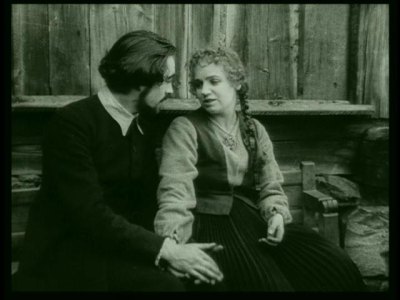
Russia was in the silent year of 1905, at the dawn of its first revolution; the historic upheavals to come were already beginning but in the meantime, the population was still full of resentments, in particular towards the Jewish minority. That is why the Jewish youngster Dame Hanna Segal leaves her village hoping to find refuge with her brother Jakow, a rich lawyer who was converted to Christianity, in the city Saint-Petersburg.

In that city Dame Hanna will find an old friend of hers, Sascha, who has joined a group of revolutionaries; among the radicals is Herr Rylowitsch, who later denounces his companions to the Russian authorities and who, dressed as an itinerant monk, begins making anti-Semitic speeches. Herr Rylowitsch with the support of Herr Fedja, once Dame Hanna’s childhood playmate, will provoke a pogrom against the Jewish population in Dame Hanna’s village.

“Die Gezeichneten” was the fourth film directed by the Danish Herr Carl Theodor Dreyer in the silent year of 1922; it is not a well-known film but has survived in different prints in four different silent archives around the silent world.
The film was a German production and had the participation of many international actors ( including the Polish film director Herr Richard Boleslawski who would later have a career in Amerika ) although Herr Dreyer preferred Russian actors for the main characters of the film because he thought that they were better than the German actors ( this is one of the reasons for the eternal enmity among those countries… ).

This Herr Von would like to highlight overall two interesting aspects about this film; the first one is that the oeuvre was based in a successful novel written by Herr Dreyer’s countryman, Herr Aage Madelund, a writer who lived through the horrors of the Russian pogrom. This background is evident during the first part of the film because Herr Dreyer gives much importance to the details of the social facts and the origins of the pogrom ( discrimination, prejudices, defamation ) and how this affected our heroine’s daily life and her surroundings, first in her village town and then in Saint Petersburg . The consequences are carefully depicted in the film.

The other striking element of the film is at the end when the tension towards the Jews finally explodes during the pogrom sequences, astonishing the audience with the vitality of the images ( excellent montage ),and the realism of the violence and brutality where the fury of the masses toward the Jews is shown mercilessly; a powerful meeting of film and history.

And what’s in the middle??... well, the usual tempered pace typical of Dreyer probably due to Herr Dreyer’s interest in being faithful to the novel but the film seems excessively literary during that part, and there are too many intertitles explaining those complicated social and political facts. Still, the action picks up as the narrative proceeds.

Obviously “Die Gezeichneten” is not a perfect Dreyer film for this German count… it seems too ambitious, uneven, wandering in a monotonous way, especially in the middle of the film, as this Herr Graf mentioned above. In spite of these flaws, it is, after all, an interesting early oeuvre of the Danish director with many remarkable moments that any silent film fan around the world would appreciate to watch.

And now, if you'll allow me, I must temporarily take my leave because this German Count must dance the horah with a Jewish heiress.

Herr Graf Ferdinand Von Galitzien

-/-

En el año silente de 1905, Rusia estaba al comienzo de su primera Revolución, convulsiones históricas que se hallaban en sus inicios, mientras cierta población, estaba repleta de resentimientos, en particular hacia la minoría judía, motivo éste por el cual la joven judía Dame Hanna Segal deja su pueblo natal esperando encontrar refugio junto a su hermano Jakow, el cual es todo un rico abogado que se ha convertido al catolicismo, en la gran ciudad de San Petersburgo.

En esta ciudad, Dame Hanna se encontrará con un viejo amigo, Sascha, que recientemente se ha adherido a un grupo de revolucionarios; entre los radicales esta también Herr Rylowitsch, el cual denunciará a las autoridades rusas a sus compañeros, además de comenzar a difundir discursos antisemitas por los alrededores disfrazado como un monje ambulante.
Herr Rylowitsch, contando con el apoyo de Herr Fedja, un amigo de la infancia de Dame Hanna, provocarán finalmente un pogromo en la ciudad natal de Dame Hanna en contra de su población judía.

“Die Gezeichneten” fue el cuarto filme dirigido, en el año silente de 1922, por el director danés Herr Carl Theodor Dreyer; no estamos ante una de sus obras más conocidas debido a que hasta cuatro copias diferentes del mismo nitrato original se encontraban dispersas en otras tantas filmotecas alrededor del mundo silente.
El filme es una producción germánica que cuenta con la participación de numerosos actores internacionales, entre los cuales se encuentra el director polaco Herr Richard Boleslawski, el cual posteriormente desarrollaría su carrera cinematográfica en Amerika, destacando además que Herr Dreyer prefirió contar para los papeles principales del filme, con actores rusos, pues consideraba que éstos eran mucho mejores que los teutones… ahora comprenden ustedes el porqué de la eterna enemistad entre ambos dos países…

Éste Herr Von quería destacar dos interesantes aspectos del filme, siendo el primero el que la obra está basada en un exitosa novela escrita por el compatriota de Herr Dreyer, Herr Aage Madelund, un escritor que vivió de primera mano los horrores del pogromo antisemita ruso; estas referencias históricas son evidentes durante la primera parte del filme pues Herr Dreyer da mucha importancia a los detalles y gestación de los acontecimientos sociales y los orígenes de dicha persecución ( discriminación, prejuicios, difamación ) y cómo éstos afectan a la vida diaria de nuestra heroína y en su más cercano entorno, primero en su pueblo natal y posteriormente en San Petersburgo, consecuencias éstas que se desarrollan con especial detalle en el filme.

El segundo interesante aspecto del filme se encuentra al final del mismo, cuando la tensión acumulada hacia los judíos finalmente explota durante las secuencias del pogromo, sorprendiendo éstas al público por la vitalidad de sus imágenes ( un excelente montaje ) y el realismo de su violencia, la brutalidad de unas masas enfurecidas que descargan su ira sin compasión hacia la población judía, una poderosa combinación de cinematografía e historicismo.

¿Y que tenemos en la mitad del filme?... pues el habitual, típico y temperado estilo de Herr Dreyer; probablemente el interés que demuestra el director danés en ser fiel al espíritu de la novela en la cual se basa el filme, semeja demasiado “literario” durante buena parte del mismo, mostrando demasiados intertítulos en los cuales se narran los hechos y ciertos aspectos sociales de dichos acontecimientos, de todas formas, la narración cinematográfica finalmente va progresando al mismo tiempo que la acción.

Obviamente “Die Gezeichneten” no es una obra redonda para éste conde germánico, el filme semeja demasiado ambicioso, desigual, errático y algo monótono, especialmente durante la mitad del filme tal y como éste Herr Graf ha mencionado anteriormente; a pesar de dichas imperfecciones, “Die Gezeichnenten” es una interesante y temprana obra de Herr Dreyer, la cual cuenta con numerosos y destacados momentos que cualquier fan silente del mundo entero sabrá apreciar.

Y ahora si me lo permiten, les tengo que dejar momentáneamente, pues este conde germánico tiene que bailar el horah con una heredera judía.

Herr Graf Ferdinand Von Galitzien
Samstag, Januar 31, 2009

"Prästänkan" (1920) By Carl Theodor Dreyer


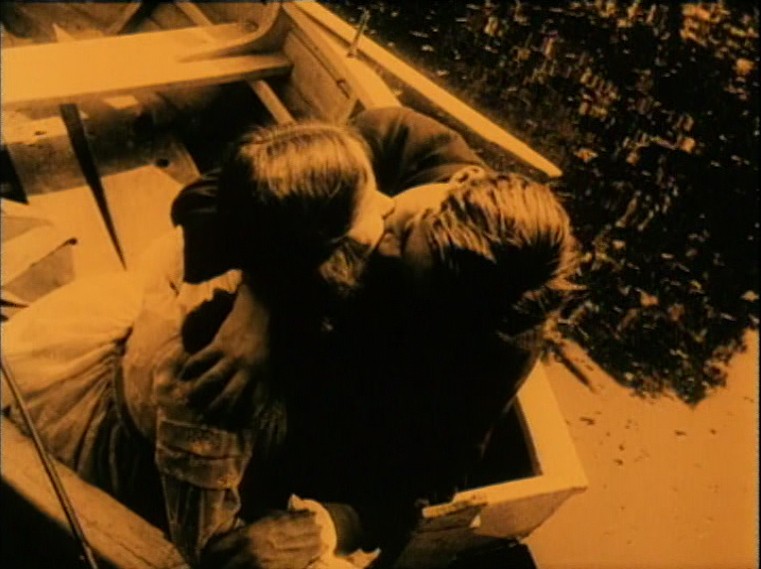
Sofren and Mari, are two youngsters who wander into a typically idyllic Norwegian village. The village is searching desperately for a new parson and Sofren has studied hard for the ministry. He has been encouraged in this by his sweetheart Mari because her father will not allow her to marry Sofren until he becomes a real parson. There are two other applicants for the job of village parson but after a hard competition and delivering a splendid sermon, Sofren wins that Gott job. But there is a catch: according to parish law, Sofren must wed the late parson’s widow, Dame Margarete; that’s a terrible dilemma for Sofren since he cannot get Mari if he doesn’t get the post and he will not get that unless he weds the old woman…

“Prästänkan” ( The Parson’s Widow , 1920 ) is an excellent and wonderful work in spite of the fact that it is only Herr Carl Theodor Dreyer’s second film as a director but perhaps this is not a strange thing at all if we have in mind Herr Dreyer’s great debut, “Praesidenten” (1919), reviewed by this German count in this modern diary sometime and liked by this Herr Von very much according to his aristocratic standards, natürlich!.

Everything is remarkable in “Prästänkan” ( astonishing art direction, again not unusual in Herr Dreyer’s early works, in which every minor detail is matched carefully with wonderful outdoor scenery and technical effects that enrich superbly the film story ), but the most remarkable aspect of the film for this German count is Herr Dreyer’s skill in filming a story with a religious subject but resisting the temptation to be sacrilegious or irreverent, the most obvious and easy ways for many directors to depict such a delicate subject. On the contrary, Herr Dreyer is very respectful of the religious theme of the story but includes also an intelligent sense of humour, Nordic humour natürlich!. The funny scenes fit perfectly in a story in which impatient and inexpert youngsters vie with a wise and crafty woman, and where all will learn their own lessons until finally common sense prevails.

And that’s a great Herr Dreyer film goal; to make a “local” story with its Northern customs into a universal film, overriding country barriers. That only happens when the author is a very skilful man, natürlich!.

By the way, even though this German count speaks elegant languages such as Latin and ancient Greek, the first time that “Prästänkan” was shown in the Schloss theatre, the nitrate had Swedish intertitles only, a dead language for this Herr Von. For that reason it is necessary to praise Herr David Shepard ( a singular longhaired youngster who cares about silent films ) for his superb English edition of this film so that illiterate youngsters around the world may also enjoy it.

And now, if you'll allow me, I must temporarily take my leave because this German Count must attend a dinner in which will be served parson’s noses.

Herr Graf Ferdinand Von Galitzien
-/-

Sofren y Mari, ambos dos jovenzuelos, se encuentran deambulando hasta que llegan a un típico e idílico pueblo noruego; el susodicho pueblo está buscando desesperadamente un nuevo párroco y Sofren, precisamente, se ha esforzado y estudiado duramente para dicho ministerio, por lo cual es alentado por su novia Mari para que pueda acceder a dicha plaza, más que nada porque su padre no permitirá que se case con Sofren hasta que éste consiga ser todo un párroco.
Pero para ésa plaza vacante de párroco, también se han presentado otros dos aspirantes, aunque finalmente, tras una dura competición y después de que Sofren haya recitado un espléndido sermón, Sofren consigue ese trabajo de Gott.
Pero dicha plaza celestial tiene una encerrona, pues de acuerdo con las leyes de la parroquia, para acceder al puesto, Sofren debe casarse con la viuda del último párroco, Dame Margarete… todo un terrible dilema para Sofren pues éste no podrá casarse con Mari si no consigue el puesto de párroco e igualmente no conseguirá éste si no se casa con la viuda del pastor…

“Prästänkan”, filme dirigido por Herr Carl Theodor Dreyer en el año silente de 1920, es un excelente filme a pesar de que ésta sea la segunda obra dirigida por el danés, un hecho nada raro si se tiene en cuenta que el debut cinematográfico de Herr Dreyer, “Praesidenten” (1919), comentado igualmente por éste conde germánico en este diario moderno hace cierto tiempo, fue igualmente del agrado, teniendo siempre en cuenta los gustos aristocráticos, de éste Herr Von.

Todo resulta destacable en “Prästänkan”, especialmente su asombrosa dirección artística, ( de nuevo, otro aspecto nada excepcional a destacar en los primeros trabajos de Herr Dreyer, en los cuales los pequeños detalles son cuidados e incluidos de forma especial, tanto en las escenas filmadas en exteriores como las de efectos especiales, escenas que siempre enriquecen especialmente la historia ), aunque el aspecto más destacable del filme para éste conde germánico es la habilidad que tiene Herr Dreyer para filmar una historia con una trama religiosa y resistirse a caer en la tentación de resultar sacrílego o irreverente, un aspecto, quizás muy obvio y recurrente para ciertos directores…, sin embargo Herr Dreyer se muestra muy respetuoso con el argumento religioso de la historia, aderezándola con un inteligente sentido del humor, humor nórdico, natürlich!, hilarantes escenas que se acomodan perfectamente en la trama del filme y en la cual la impaciencia e inexperiencia de los dos jóvenes de la obra, tendrán que competir con una sabia, astuta mujer anciana y en la cual finalmente todos aprenderán sabias y particulares lecciones en donde el sentido común prevalecerá.

Y ése es precisamente uno de los grandes logros de Herr Dreyer, esto es, conseguir que una historia presuntamente local y repleta de costumbres nórdicas, consiga superar barreras culturales entre diferentes países, cuestión ésta que solamente acontece cuando el autor es una persona hábil e ingeniosa, natürlich!.

Por cierto, aunque éste conde germánico habla elegantes idiomas tales como el latín o el griego antiguo, la primera vez que “Prästänkan” fue exhibido en el teatro del Schloss, la copia solamente tenía rótulos en sueco, una lengua muerta para éste Herr Von…, por dicho motivo es necesario alabar la labor de Herr David Shepard ( un peculiar melenudo preocupado siempre por filmes silentes ) por su excelente edición moderna y en idioma inglés de éste filme, edición que los jóvenes de todo el mundo y desconocedores de idiomas elegantes, apreciarán especialmente.

Y ahora si me lo permiten les tengo que dejar momentáneamente, pues este conde germánico tiene que asistir a una cena en la cual se servirán rabadillas de pollo.

Herr Graf Ferdinand Von Galitzien

Montag, Januar 23, 2006

"Praesidenten" (1919) By Carl Theodor Dreyer

“Praesidenten” is the first film of the great Danish film director Carl Theodor Dreyer and, for this German count, this debut is a perfect example of Dreyer’s film style. It’s one, with degrees of variation, he would maintain in his silent films as well as in his talkie career.

“Praesidenten” is a film perfectly constructed (the film is divided into three different but interrelated parts). Flashbacks are used to depict the terrible story of Danish noblemen who dare to fall in love with common girls; such huge mistakes will have serious consequences for the main characters… as Herr Von Sendlingen says to his son at the beginning of the film, “never marry a commoner, for no good ever comes of it, naught but curses and remorse…”… ah, wise words, indeed!.

“Praesidenten”, besides having a solid and narrative film structure very well rendered, has an elegantly slow pace, this is very characteristic in Herr Dreyer’s films, film cadences and pauses endow the story with intensity and emotive nature, showing the vicissitudes of three generations of a family broken due to impossible or imprudent relationships. When at the end of the film the main character has the opportunity to atone his sins and make amends with the past, he finally carries the burden of stricter convictions and codes of honour.

“Praesidenten” is a solid debut, one with graceful and delicate pacing… a perfect example of the Herr Dreyer oeuvre.

And now, if you'll allow me, I must temporarily take my leave because this German Count, as President of the “Associated Aristocrats Foundation” must attend another decadent meeting.

Herr Graf Ferdinand Von Galitzien


-/-


“Praesidenten” es el primer filme del gran director danés Carl Theodor Dreyer y para éste Conde germánico supone este debut una perfecta declaración de principios de estilo, ese que más o menos y con ligeras variaciones, mantendría el director danés durante tanto su etapa silente como sonora.
Es “Praesidenten” un filme perfectamente estructurado ( conforman el filme, tres partes diferenciadas pero interrelacionadas entre sí ) en el cual se nos cuenta, mediante flashbacks, una terrible historia sobre nobles daneses que cometen el grave error de enamorarse de chicas pueblerinas y lógicamente tan grave despropósito tendrá graves consecuencias para sus protagonistas… y es que como advierte al principio del filme Herr Von Sendlingen a su hijo “nunca te cases con una plebeya, nada bueno saldrá de ello, nada, excepto maldiciones y remordimientos”… ¡ah, sabias palabras!.

“Praesidenten” además de contar con una estructura narrativa sólida y muy bien desarrollada, posee un ritmo pausado y elegante, ése que tan característico es del cine de Herr Dreyer, cadencias y pausas cinematográficas que dotan al filme de gran intensidad y emotividad, mostrándonos las vicisitudes de tres generaciones de una misma familia, destrozada por relaciones personales imposibles o imprudentes y en cuyo tramo final de la obra, se da la oportunidad a uno de sus principales protagonistas de redimir culpas, expiar pecados, hacer las paces con el pasado, aunque sea a costa de férreas convicciones o códigos de honor, lastres éstos, finalmente, demasiado pesados para su protagonista.

“Praesidenten” es un debut sólido, elegante, un perfecto ejemplo, tanto en forma como en estilo, del cine de Herr Dreyer.

Y ahora si me lo permiten les dejo momentáneamente, pues al ser éste Conde presidente de la Fundación de Aristócratas Asociados, tiene reuniones decadentes que atender.

Herr Graf Ferdinand Von Galitzien