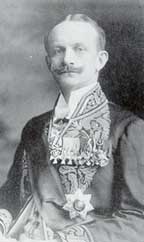

Due to his advanced age, this German count remembers very well (actually, again because of his many years, perhaps not all that well) the success of the famous novel “Michel Strogoff“ written by the French writer Herr Jules Verne some centuries ago.
As every longhaired youngster knows, aristocrats prefer to spend their idle time in trifling matters, so this Herr Von acted consistently and avoided the great effort of reading the book and instead waited for some highly reputable and skilled film director to properly adapt that novel about the courier of the Czar for the silent screen.
And that important silent film adaptation of Herr Verne’s “Michel Strogoff” came in the silent year of 1926 thanks to Herr Viktor Tourjansky, who surrounded by a crew of mostly Russian émigrés like himself, made an excellent French-German silent film production. This was a perfect match, that is to say: a Russian crew for a book set in old Russia for a French silent film production of a famous French novel ( obviously the German presence gave weight to the production ).
The film is a lavish big budgeted production, appropriate for such a vigorous novel. The magnificent décors are by Herr Alexandre Lochakoff who with such a Russian name obviously knew very well what he was illustrating and there is also the splendid art direction by Herr Noé Bloch and the great Russian star Ivan Moskoujine as the title character. Some of the battle scenes are set in Latvia and were done with the help of the Latvian army itself (with the permission of the Latvian Minister Of War, natürlich!) and there are also some coloured scenes included in the film that give to the oeuvre a special atmosphere of decadent antiquity, especially in the Russian court sequences.
As every longhaired youngster knows, aristocrats prefer to spend their idle time in trifling matters, so this Herr Von acted consistently and avoided the great effort of reading the book and instead waited for some highly reputable and skilled film director to properly adapt that novel about the courier of the Czar for the silent screen.
And that important silent film adaptation of Herr Verne’s “Michel Strogoff” came in the silent year of 1926 thanks to Herr Viktor Tourjansky, who surrounded by a crew of mostly Russian émigrés like himself, made an excellent French-German silent film production. This was a perfect match, that is to say: a Russian crew for a book set in old Russia for a French silent film production of a famous French novel ( obviously the German presence gave weight to the production ).
The film is a lavish big budgeted production, appropriate for such a vigorous novel. The magnificent décors are by Herr Alexandre Lochakoff who with such a Russian name obviously knew very well what he was illustrating and there is also the splendid art direction by Herr Noé Bloch and the great Russian star Ivan Moskoujine as the title character. Some of the battle scenes are set in Latvia and were done with the help of the Latvian army itself (with the permission of the Latvian Minister Of War, natürlich!) and there are also some coloured scenes included in the film that give to the oeuvre a special atmosphere of decadent antiquity, especially in the Russian court sequences.
The diversity of cast and crew suggests a Tower of Babel but the mixture of the different elements gives charm and effectiveness to the oeuvre that during it’s almost three hours running time maintains the rhythm and interest in what is a splendid classic adventure, very well structured and entertaining.
And now, if you'll allow me, I must temporarily take my leave because this German Count is waiting for aristocratic Herr Postman.
Herr Graf Ferdinand Von Galitzien
-/-
Debido a su avanzada edad, éste conde germánico recuerda muy bien ( o quizás tampoco no tanto, debido, precisamente, a su avanzada edad… ) el éxito que tuvo hace ya unos cientos de años, la famosa novela escrita por el literato afrancesado Herr Julio Verne, de título“Miguel Strogoff”.
Como es bien conocido por todos los melenudos, los aristócratas prefieren gastar su ocioso tiempo en cuestiones baladíes y consecuentemente, éste Herr Von evitó el gran esfuerzo que suponía leer un libro, optando por esperar tan ricamente hasta que algún competente y hábil director cinematográfico adaptase como se merecía para la pantalla silente, esa gran novela acerca del correo del Zar.
Y esa importante adaptación cinematográfica silente de “Miguel Strogoff” tuvo lugar en el año mudo de 1926, gracias a Herr Viktor Tourjansky, el cual rodeado de un equipo compuesto en su mayoría por exiliados rusos ( como él mismo ), realizó una magnífica coproducción silente germánico-afrancesada de la novela de Herr Verne.
Fue desde luego un excelente equipo, esto es, una parte del equipo ruso, para un libro ambientado en la vieja Rusia, coproducido por Francia, para una famosa novela escrita por un afrancesado y lógicamente, los germánicos contribuyeron en dicha coproducción silente con su seriedad y prestancia.
El filme es toda una lujosa gran producción, muy apropiada desde luego para tan vigorosa novela; unos magníficos decorados a cargo de Herr Alexandre Lochakoff, el cual al tener un nombre tan ruso, lógicamente sabía muy bien cómo ambientar el filme, además de la espléndida dirección artística de Herr Noé Bloch y sobretodo la estrella silente rusa Herr Ivan Moskoujine, como el intérprete principal del filme.
Alguna de las escenas bélicas del filme se rodaron en Letonia, contando con la ayuda de la mismísima armada letona, además del permiso del ministerio de guerra letón, natürlich!, incluyendo también el filme algunas escenas coloreadas que le dan a la obra una atmósfera especial, un cierto aire de decadente antigüedad, muy apropiado, desde luego, para las escenas que transcurren en la corte rusa.
And now, if you'll allow me, I must temporarily take my leave because this German Count is waiting for aristocratic Herr Postman.
Herr Graf Ferdinand Von Galitzien
-/-
Debido a su avanzada edad, éste conde germánico recuerda muy bien ( o quizás tampoco no tanto, debido, precisamente, a su avanzada edad… ) el éxito que tuvo hace ya unos cientos de años, la famosa novela escrita por el literato afrancesado Herr Julio Verne, de título“Miguel Strogoff”.
Como es bien conocido por todos los melenudos, los aristócratas prefieren gastar su ocioso tiempo en cuestiones baladíes y consecuentemente, éste Herr Von evitó el gran esfuerzo que suponía leer un libro, optando por esperar tan ricamente hasta que algún competente y hábil director cinematográfico adaptase como se merecía para la pantalla silente, esa gran novela acerca del correo del Zar.
Y esa importante adaptación cinematográfica silente de “Miguel Strogoff” tuvo lugar en el año mudo de 1926, gracias a Herr Viktor Tourjansky, el cual rodeado de un equipo compuesto en su mayoría por exiliados rusos ( como él mismo ), realizó una magnífica coproducción silente germánico-afrancesada de la novela de Herr Verne.
Fue desde luego un excelente equipo, esto es, una parte del equipo ruso, para un libro ambientado en la vieja Rusia, coproducido por Francia, para una famosa novela escrita por un afrancesado y lógicamente, los germánicos contribuyeron en dicha coproducción silente con su seriedad y prestancia.
El filme es toda una lujosa gran producción, muy apropiada desde luego para tan vigorosa novela; unos magníficos decorados a cargo de Herr Alexandre Lochakoff, el cual al tener un nombre tan ruso, lógicamente sabía muy bien cómo ambientar el filme, además de la espléndida dirección artística de Herr Noé Bloch y sobretodo la estrella silente rusa Herr Ivan Moskoujine, como el intérprete principal del filme.
Alguna de las escenas bélicas del filme se rodaron en Letonia, contando con la ayuda de la mismísima armada letona, además del permiso del ministerio de guerra letón, natürlich!, incluyendo también el filme algunas escenas coloreadas que le dan a la obra una atmósfera especial, un cierto aire de decadente antigüedad, muy apropiado, desde luego, para las escenas que transcurren en la corte rusa.
El filme era una especie de torre de Babel por la diversidad de su reparto así como del equipo de producción, una mezcla de diversos elementos que le dan a la obra un especial encanto, además de rigor al filme, el cual durante sus casi tres horas de duración, mantiene perfectamente el ritmo y su interés, en lo que resulta ser un espléndido filme clásico de aventuras, perfectamente estructurado y muy entretenido.
Y ahora si me lo permiten, les tengo que dejar momentáneamente pues este conde germánico está aguardando por el cartero aristocrático.
Herr Graf Ferdinand Von Galitzien


