“La Souriante Madame Beudet” is another remarkable film directed by Damen Dulac, one of the most outstanding avant-garde French directors of the time and the subject of some previous reviews of her principal silent films by this German Count in his modern diary some months ago. This one is a film that has all of the characteristics of her other films insofar as their likeness of cinema innovations and the display of strong, independent and decisive female characters.
The film depicts the story of Madame Beudet, a modern frenchified woman who likes to play at the piano longhaired composers’ oeuvres ( Debussy ), read novels ( Flaubert, probably… ) and modern magazines. She is married with a textile businessman. He is a rude and ordinary man who absolutely bores his wife because he has different cultural interests than her, like going to the theatre to watch “Faust” ( obviously Madame Beudet as a perfect French chauvinist doesn’t like that German play ).
When Monsieur Beudet is fed up with the differences between them, he makes a fake attempts to commit suicide in front of her with a revolver that is not loaded…
But one day, his wife places bullets in the barrel...
The most remarkable aspect of this film it is the will that Madame Beudet displays to put an end to an unhappy marriage. She is an intelligent, cultivated person that can’t stand such bored life. She rebels against marriage’s conventions, affirms the right to live her own life, to claim a happy life via an inward rebellion that only has success in her dreams ( displayed in the film with trick and special effects ). So the chance to get her freedom thanks to her husband’s continuous fake suicide attempts seems to be the perfect excuse for her to make her dreams come true.
But in spite of her desires and plots against her husband, at the end Madame Beudet will succumb to remorse. Even with those inner claims of independence, she accepts her particular condemnation as shown in the last sequence of the film…walking about the streets with her husband, crestfallen.
Bu in spite or thanks to such an ending, Damen Dulac achieve her inward intentions displayed in this film: the right to be a nonconformist, independent and happy human ( woman ) being.
And now, if you'll allow me, I must temporarily take my leave because this German Count must check if their musket is, sure enough, not loaded.
Herr Graf Ferdinand Von Galitzien-/-“La Souriante Madame Beudet” es otro destacado filme dirigido por Damen Dulac, uno de los más excepcionales directores vanguardistas franceses de la época y de la cual varios de sus filmes más importantes fueron comentados por éste conde germánico en este diario moderno hace unos meses; se trata de un filme que posee todas las características de su cine, como pueda ser su predilección por las innovaciones cinematográficas y su querencia por personajes femeninos fuertes, independientes y decisivos.
El filme nos narra la historia de Madame Beudet, una mujer moderna afrancesada que gusta tocar al piano obras de compositores melenudos ( Debussy ), leer novelas ( Flaubert, probablemente… ) y modernas revistas; está casada con un empresario textil muy ordinario y rudo que además aburre solemnemente a su esposa al tener éste diferentes intereses culturales a los de su esposa, como ir al teatro a ver “Fausto” ( obviamente, Madame Beudet, como perfecta chauvinista francesa, no gusta de esa obra germánica ).
Cuando Monsieur Beudet está harto de esas diferencias entre ellos, simula suicidarse delante de su esposa con un revolver descargado, pero un día su mujer cargará dicha arma…
El aspecto más destacado de este filme es el deseo que muestra Madame Beudet por poner fin a un matrimonio infeliz; ella es inteligente, una persona cultivada que no soporta esa vida tan aburrida; se rebela por lo tanto en contra de los convencionalismos del matrimonio, afirmando el derecho a vivir su propia vida, exigir una vida feliz, una rebelión que solamente tiene éxito en sus sueños ( mostrados en el filme con trucos y efectos especiales ), por lo tanto la oportunidad de obtener su libertad gracias a los continuos y falsos intentos de suicidio de su esposo, serán la perfecta excusa para conseguir finalmente que sus sueños se hagan realidad.
Pero a pesar de sus deseos y maquinaciones en contra de su marido, finalmente Madame Beudet sucumbirá a los remordimientos y a pesar de esos deseos tan profundos de independencia, aceptando su particular condena tal y como se muestra en la última secuencia del filme, paseando por las calles con su marido, cabizbaja.
Sin embargo y a pesar o incluso gracias a tan particular final, Damen Dulac logra transmitir eficazmente lo que ha querido mostrar durante todo el filme: el derecho a ser un inconformista, independiente y feliz ser ( mujer ) humano.
Y ahora si me lo permiten les tengo que dejar momentáneamente, pues este Conde germánico tiene que comprobar que su mosquetón está, efectivamente, descargado.Herr Graf Ferdinand Von Galitzien
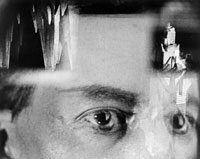
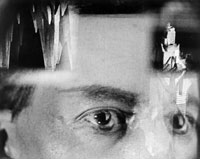 “La Coquille Et Le Clergyman” is a film par excellence of the French modern film director (“modern”, of course, is a relative term). That director was Damen Germaine Dulac, about whom this German Count commented recently on her film “L’Invitation Au Voyage”. Looking back on those recent reflections about Damen Dulac’s oeuvre, despite “L’Invitation Au Voyage” being a remarkable film, it wasn’t able to equal the experimental and transgressor spirit of “La Coquille Et Le Clergyman”, a film highly superior for its technical innovations, aesthetic virtues and risky themes.
“La Coquille Et Le Clergyman” was considered the first feminist film in history… although this Teutonic Count appreciates more misogynist touches in film (specifically in the clergyman character obsessed with a colonel’s wife). It is a film that was also considered the first Surrealist film ever made. But again this German Count must clarify the opinion of his ancestors. Although in style and form, “Le Coquille Et Le Clergyman” is certainly a film well recognized as Surrealist, it is not limited to be a film in where images are not connected and exposed with the only intention being to astonish the audience. Even though the Damen Dulac film maintains the Surrealist aesthetic outlook, it is a work in which it is possible to perceive a certain meaning and logic in the French director’s deluded story.
“La Coquille Et Le Clergyman” is an exceptional film for these reasons comments this German Count. It has plenty of visual suggestions, great scenery and technical experiments that pervade the film narrative with a dumbfounded and dreamful atmosphere. There are reflections about eternal obsessions and sexual desires to be perceived by the viewer. They are exposed with a peculiar sense of humour and irreverence, making the film valid today. What resonates especially with this German Count, the iconoclast, is the novel spirit of the film.
And now, if you'll allow me, I must temporarily take my leave because this German Count must recover his most Teutonic classic classicism after so much Frenchified modernity.Herr Graf Ferdinand Von Galitzien-/-“La Coquille Et Le Clergyman” es el filme por excelencia de esa directora tan moderna incluso para sus tiempos que fue Damen Germaine Dulac, de la cual éste Conde germánico ha comentado recientemente “L’Invitation Au Voyage”.
Se mencionaban en esas reflexiones germánicas recientes sobre la obra de Damen Dulac, que a pesar de ser ciertamente una obra notable, “L’Invitation Au Voyage” no conseguía emular el carácter experimental y transgresor de “Le Coquille Et Le Clergyman”, un filme mucho más superior éste último en cuanto a innovación técnica y virtudes estéticas y arriesgadas propuestas cinematográficas.
Considerado como el primer filme feminista, aunque éste aristócrata teutón ha apreciado muchísimos más matices misóginos en el filme y más específicamente en el personaje del clergyman obsesionado éste con la esposa de un coronel, también fue destacado en su día como el primer filme surrealista, aunque en cierta forma también tiene éste Conde germánico que matizar ese calificativo de sus antepasados, pues aunque en estilo y forma, “Le Coquille Et Le Clergyman” es ciertamente un filme fácilmente reconocible como surrealista, no se limita a ser una obra en donde se exponen imagines sin conexión entre ambas con el único propósito de epatar al espectador, pues el filme de Damen Dulac aunque mantenga la forma estética surrealista, es un filme en donde se percibe una lógica y contenido en la historia alucinada que nos cuenta la directora francesa.
“La Coquille Et Le Clergyman” es un filme excepcional por esos motivos anteriormente mencionados por éste Conde germánico, lleno de sugerencias visuales, magníficos decorados y experimentos técnicos que impregnan la historia de una atmósfera alucinada, onírica, en donde se aprecian reflexiones sobre obsesiones y deseos sexuales eternos, tratados éstos con cierto humor y mucha irreverencia, manteniendo intacta hoy su vigencia, destacando en el filme su espíritu novedoso e iconoclasta.
Y ahora si me lo permiten les tengo que dejar momentáneamente, pues este Conde germánico tiene que recuperar su más clásico clasicismo teutón después de tanta modernidad afrancesada.Herr Graf Ferdinand Von Galitzien
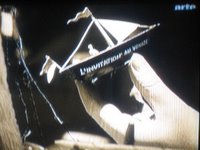 During the younger times of this Germanic count, Damen Germaine Dulac was a complete fräulein of strong character and independent spirit (even though she was Frenchified); well, it is what we, the aristocrats, used to consider as “dangerous longhaired youngsters”, because Damen Germaine Dulac had subversive and suspicious tendencies for the aristocracy, like being a specialist in Opera (and to make things worse, she liked it), a radical suffragist (those youngsters with revolutionary ideas), or theatre and cinema critic (this last thing is the worst, MEIN GOTT!). With such curriculum and bizarre taste, it was inevitable that she started to get interested by avant-garde film and became an exponent of it.
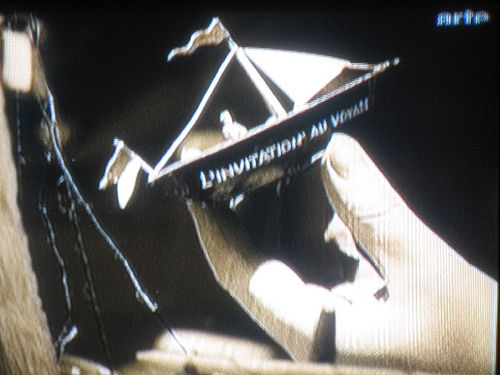
“L’Invitation Au Voyage” was made some years before “La Coquille Et Le Clergyman” (1928), her most well-known film which also maximises her restless cinematographic searches, a film that soon will be commented on by this Germanic count. In “L’Invitation Au Voyage”, she maintains a transgressor spirit and her eagerness to get at what she considered the “pure cinema”, even though the film is less risky and more accessible in its cinematographic proposals than “La Coquille Et Le Clergyman”.
At the beginning of the film, the stylistic intentions are very well defined when the director says that she expects with her film “to expose her cinematographic idea without the help of explicative signs”, so the image value gets hold of it on this film based on a Herr Baudelaire’s poem. The movie shows us in a special and nonconformist aesthetic and technic way, the frustrations and unrealised dreams of its main character in a port establishment (a magnificent multicolour ambience, a sea cabaret), her dreams as a livelihood for a false and dull life. The search of a chimera that even the main character is well aware of.
And now, if you allow me, I will leave you momentarily, because this Germanic Count has discovered, after a night of merrymaking in a port bar, that he has tattooed on his aristocratic arm an anchor!!!... a scandal that has to be fixed immediately, natürlich!Herr Graf Ferdinand Von Galitzien-/- Damen Germaine Dulac, durante los tiempos mozos de éste Conde germánico, fue toda un fräulein de fuerte caracter y espíritu independiente ( y ello a pesar de ser afrancesada… ), vamos, lo que por entonces en la aristocracia considerábamos como “esos peligrosos jóvenes melenudos”, pues Damen Dulac tenía aficiones ciertamente subversivas y sospechosas para la aristocracia como el ser especialista en Ópera ( y gustarle, lo que la hace aún más peligrosa ), sufragista radical ( esas jóvenes con ideas revolucionarias ) o crítica de teatro y cine ( esto último es ya el colmo de los colmos, MEIN GOTT! ), con semejante currículo era entonces evidente que debido a tan bizarros gustos, comenzase entonces a interesarse por las vanguardias cinematográficas, convirtiéndose ella misma en todo un exponente de dicho movimiento.
“L’Invitation Au Voyage” está realizada unos años antes que “La Coquille Et Le Clergyman” (1928), su obra más conocida y máximo exponente de sus especiales inquietudes y búsquedas cinematográficas, un filme que será comentado próximamente por éste Conde germánico, manteniendo el primero, el espíritu trasgresor y sus ansias por conseguir lo que ella consideraba como el “cine puro”, aunque sea “L’Invitation Au Voyage” un filme muchísimo menos arriesgado y más accesible en sus propuestas cinematográficas que “La Coquille Et Le Clergyman”.
Las intenciones estilísticas quedan bien definidas al principios del filme al comentar la directora que pretende que su obra consiga “exponer su idea cinematográfica sin la ayuda de rótulos explicativos”, el valor de la imagen, consiguiéndolo plenamente en esta obra inspirada en un poema de Herr Baudelaire, en donde, de forma ciertamente especial y siempre inconformista tanto estética como técnicamente, nos muestra las frustraciones y deseos idealizados de su protagonista en un establecimiento porteño ( magnífico ambiente variopinto, un cabaret marítimo y canalla ), sueños como sustento para una vida anodina y falsa, la búsqueda de una quimera de la cual es incluso consciente la protagonista del filme.
Y ahora si me lo permiten les dejo momentáneamente, pues este Conde germánico ha descubierto, tras haber pasado una noche de juerga en una de esas tascas portuarias, que... ¡¡tiene tatuado un ancla en su brazo aristocrático!!..., un escándalo que hay que solucionar inmediatamente, natürlich!.Herr Graf Ferdinand Von Galitzien