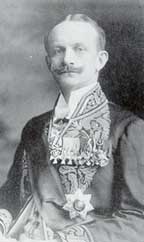

Although many commoners think so, all aristocrats are not alike; they have many differences and varied interests (for example, this Herr Graf is not interested in anything at all) This is true even if they are from the same Teutonic family as demonstrated in “Erzherzog Johann”, a film directed by Herr Max Neufeld in the silent year of 1929 and which depicts the early life of the archduke John of Austria.
This important member of the Habsburg dynasty had a significant military career but after so many battles he turned away from such tiresome work and focused his efforts on more mundane though equally dangerous activities such as mountain climbing and chasing commoner girls. As you can see there are obvious irreconcilable differences between this Herr Graf and Herr Johann, because although we both had military careers (this Herr Von won many lost battles) and aristocratic origins (the Habsburg and the Galitzien dynasty are equally Teutonic although the latter one is broke), certainly this German count never will practice any sport, especially such a sweaty one as mountain climbing which obliges you to wear those horrible Alpine garments. And don’t forget the terrible fact that Herr Johann ( Herr Igo Sym ) finally marries the daughter of the postmaster of Aussee, Frau Anna Plochl ( Frau Xenia Desni ), a beautiful ruddy fraulein certainly but one with no means.
The film focuses its artistic intentions on depicting Herr Johann’s sporting life ; there are many beautiful mountain shots , the ones that Teutons like so much, during the first part of the film and later there is the courting of Frau Anna Plochl, the commoner fraulein who appeals to the aristocrat. These thrilling adventures are set in the Duchy of Styria, a region that Herr Johann was very fond of, becoming a benefactor to its inhabitants (especially Frau Plochl, ja wohl!...)
So the film is harmless and sweet hagiography on the early life of archduke John of Austria in such idyllic locales though occasionally there’s a trifling problem or two at the Viennese court but naturally, Herr Johann solves them quickly so we can leave the magnificence of the Vienesse court and get back to the bucolic Styrian landscapes . Thus we see the “tracht”, the national commoners’ costume of the German-speaking countries (that is to say, Germany and Austria) worn graciously by Herr Johann and there’s a nice look at the fancy dress of the decadent aristocrats at court (the resulting contrast makes for a bit of camp) All this merely provides the background to present a romantic and idealized view of Herr Johann’s early life, obviously Herr Neufield’s only artistic purpose and one he fulfils with a vengeance.
And now, if you'll allow me, I must temporarily take my leave because this German Count must settle some differences with the Habsburg.
Herr Graf Ferdinand Von Galitzien
-/-
No todos los aristócratas son iguales, por mucho que así lo crean numerosos melenudos, pues ciertamente existen numerosas diferencias e intereses entre ellos ( por ejemplo, éste Herr Graf no muestra especial interés por nada… ) sin que importe incluso que compartan una misma procedencia teutónica; éste importante e irrelevante asunto se puede constatar en el filme “Erzherzog Johann”, filme dirigido por Herr Max Neufeld en el año silente de 1929, en donde los años mozos del archiduque Juan de Austria son puestos en imágenes.
Éste importante miembro de la familia de los Habsburgo tuvo una importante carrera militar aunque después de numerosas batallas, decidió dejar tan cansado trabajo para centrar sus esfuerzos en más mundanos, aunque igualmente peligrosos asuntos, como escalar montañas y perseguir a jóvenes plebeyas, dicho lo cual, pueden entonces ustedes certificar las evidentes e irreconciliables diferencias entre éste Herr Graf y Herr Johann, pues aunque ambos hemos compartido carreras militares ( éste Herr Von ganando numerosas batallas perdidas ) y familia aristocrática ( la casa de los Habsburgo y la de los Galitzien son muy teutónicas aunque la última se halla en bancarrota ), a éste conde germánico jamás se le ocurriría practicar ningún deporte y mucho menos uno tan trabajoso como escalar montañas en donde además hay que vestir espantosas indumentarias alpinistas, sin olvidarse igualmente del terrible hecho de que Herr Johann ( Herr Igo Sym ) se casa con la hija del director de correos de Aussee, Frau Anna Plochl ( Frau Xenia Desni ), una bella y rubicunda fraulein, aunque eso sí, sin posibles.
Y son en éstos aspectos, en donde el filme centra sus intenciones artísticas, reflejando la vida deportiva de Herr Johann ( numerosas escenas de montaña, esas que tanto gustan a los teutones, pueden verse durante la primera parte del filme ), además del cortejo de Frau Anna Plochl por parte de Herr Johann, transcurriendo tan emocionantes aventuras en el ducado de Estiria, una región muy apreciada por Herr Johann, llegando a convertirse el archiduque en una especie de benefactor para los lugareños, siendo Frau Plochl la más beneficiada, ja wohl!...
El filme resulta ser una inofensiva y edulcorada hagiografía de los días de juventud del archiduque Juan de Austria en tan idílicos lugares, incluyendo además algunos triviales problemas en la corte vienesa que finalmente serán solucionados por Herr Johann.
Por lo tanto en el filme ustedes podrán contemplar los bucólicos paisajes de Estiria además de la magnificencia de la corte vienesa, alternando planos en donde se puede ver a los lugareños, además de Herr Johann, vistiendo alegremente el “tracht”, esto es, el traje típico de los países germano-hablantes ( esto es, Germania y Austria ), además de otros en los cuales decadentes aristócratas llevan muy dignamente en la corte sus lujosos ropajes, consiguiendo finalmente Herr Neufeld un delicioso filme folclórico en donde lo que realmente importa es el atrezzo para poder así conseguir una visión romántica e idealizada de los lugares que rodearon y los acontecimientos que tuvieron lugar durante los años mozos de Herr Johann, siendo ésta la única y primordial motivación artística por parte de Herr Neufeld a la hora de realizar éste filme, un propósito que ciertamente logra con creces.
Y ahora si me lo permiten, les tengo que dejar momentáneamente, pues este conde germánico tiene que arreglar ciertas diferencias con la casa de los Habsburgo.
Herr Graf Ferdinand Von Galitzien
This important member of the Habsburg dynasty had a significant military career but after so many battles he turned away from such tiresome work and focused his efforts on more mundane though equally dangerous activities such as mountain climbing and chasing commoner girls. As you can see there are obvious irreconcilable differences between this Herr Graf and Herr Johann, because although we both had military careers (this Herr Von won many lost battles) and aristocratic origins (the Habsburg and the Galitzien dynasty are equally Teutonic although the latter one is broke), certainly this German count never will practice any sport, especially such a sweaty one as mountain climbing which obliges you to wear those horrible Alpine garments. And don’t forget the terrible fact that Herr Johann ( Herr Igo Sym ) finally marries the daughter of the postmaster of Aussee, Frau Anna Plochl ( Frau Xenia Desni ), a beautiful ruddy fraulein certainly but one with no means.
The film focuses its artistic intentions on depicting Herr Johann’s sporting life ; there are many beautiful mountain shots , the ones that Teutons like so much, during the first part of the film and later there is the courting of Frau Anna Plochl, the commoner fraulein who appeals to the aristocrat. These thrilling adventures are set in the Duchy of Styria, a region that Herr Johann was very fond of, becoming a benefactor to its inhabitants (especially Frau Plochl, ja wohl!...)
So the film is harmless and sweet hagiography on the early life of archduke John of Austria in such idyllic locales though occasionally there’s a trifling problem or two at the Viennese court but naturally, Herr Johann solves them quickly so we can leave the magnificence of the Vienesse court and get back to the bucolic Styrian landscapes . Thus we see the “tracht”, the national commoners’ costume of the German-speaking countries (that is to say, Germany and Austria) worn graciously by Herr Johann and there’s a nice look at the fancy dress of the decadent aristocrats at court (the resulting contrast makes for a bit of camp) All this merely provides the background to present a romantic and idealized view of Herr Johann’s early life, obviously Herr Neufield’s only artistic purpose and one he fulfils with a vengeance.
And now, if you'll allow me, I must temporarily take my leave because this German Count must settle some differences with the Habsburg.
Herr Graf Ferdinand Von Galitzien
-/-
No todos los aristócratas son iguales, por mucho que así lo crean numerosos melenudos, pues ciertamente existen numerosas diferencias e intereses entre ellos ( por ejemplo, éste Herr Graf no muestra especial interés por nada… ) sin que importe incluso que compartan una misma procedencia teutónica; éste importante e irrelevante asunto se puede constatar en el filme “Erzherzog Johann”, filme dirigido por Herr Max Neufeld en el año silente de 1929, en donde los años mozos del archiduque Juan de Austria son puestos en imágenes.
Éste importante miembro de la familia de los Habsburgo tuvo una importante carrera militar aunque después de numerosas batallas, decidió dejar tan cansado trabajo para centrar sus esfuerzos en más mundanos, aunque igualmente peligrosos asuntos, como escalar montañas y perseguir a jóvenes plebeyas, dicho lo cual, pueden entonces ustedes certificar las evidentes e irreconciliables diferencias entre éste Herr Graf y Herr Johann, pues aunque ambos hemos compartido carreras militares ( éste Herr Von ganando numerosas batallas perdidas ) y familia aristocrática ( la casa de los Habsburgo y la de los Galitzien son muy teutónicas aunque la última se halla en bancarrota ), a éste conde germánico jamás se le ocurriría practicar ningún deporte y mucho menos uno tan trabajoso como escalar montañas en donde además hay que vestir espantosas indumentarias alpinistas, sin olvidarse igualmente del terrible hecho de que Herr Johann ( Herr Igo Sym ) se casa con la hija del director de correos de Aussee, Frau Anna Plochl ( Frau Xenia Desni ), una bella y rubicunda fraulein, aunque eso sí, sin posibles.
Y son en éstos aspectos, en donde el filme centra sus intenciones artísticas, reflejando la vida deportiva de Herr Johann ( numerosas escenas de montaña, esas que tanto gustan a los teutones, pueden verse durante la primera parte del filme ), además del cortejo de Frau Anna Plochl por parte de Herr Johann, transcurriendo tan emocionantes aventuras en el ducado de Estiria, una región muy apreciada por Herr Johann, llegando a convertirse el archiduque en una especie de benefactor para los lugareños, siendo Frau Plochl la más beneficiada, ja wohl!...
El filme resulta ser una inofensiva y edulcorada hagiografía de los días de juventud del archiduque Juan de Austria en tan idílicos lugares, incluyendo además algunos triviales problemas en la corte vienesa que finalmente serán solucionados por Herr Johann.
Por lo tanto en el filme ustedes podrán contemplar los bucólicos paisajes de Estiria además de la magnificencia de la corte vienesa, alternando planos en donde se puede ver a los lugareños, además de Herr Johann, vistiendo alegremente el “tracht”, esto es, el traje típico de los países germano-hablantes ( esto es, Germania y Austria ), además de otros en los cuales decadentes aristócratas llevan muy dignamente en la corte sus lujosos ropajes, consiguiendo finalmente Herr Neufeld un delicioso filme folclórico en donde lo que realmente importa es el atrezzo para poder así conseguir una visión romántica e idealizada de los lugares que rodearon y los acontecimientos que tuvieron lugar durante los años mozos de Herr Johann, siendo ésta la única y primordial motivación artística por parte de Herr Neufeld a la hora de realizar éste filme, un propósito que ciertamente logra con creces.
Y ahora si me lo permiten, les tengo que dejar momentáneamente, pues este conde germánico tiene que arreglar ciertas diferencias con la casa de los Habsburgo.
Herr Graf Ferdinand Von Galitzien


